


Principle of hair dryer:
Electric hair dryers rely directly on an electric motor to drive a rotor that spins a blade (Note: The current market is divided
into ordinary motors and three-phase brushless motors).
As the blades rotate, air is drawn in through the air inlet and the resulting centrifugal airflow is blown out through the front
nozzle of the cylinder. As the air passes through, hot air is blown out if the heating wire on the heating bracket mounted in-
side the cylinder has been energized to become hot;
If the selector switch has not energized the heating wire to become hot, cold air will be blown. The purpose of the hairdryer
is to dry and style the hair.

The selector switch on the handle of the hairdryer is generally divided into three gears, namely, off gear, cold air and hot air,
the indicator lights are white, blue and red. Some hairdryers are also equipped with a motor speed switch on the handle for
selecting the size of the airflow and the temperature of the hot air.
All types of hairdryers are equipped with a rotatable round air adjustment cover on the back or side of the casing. By rotating
the cover to adjust the size of the cross-section of the air inlet, it is possible to adjust the speed of the delivered air and the te-
mperature of the hot air.
Structure and function of the hair dryer:
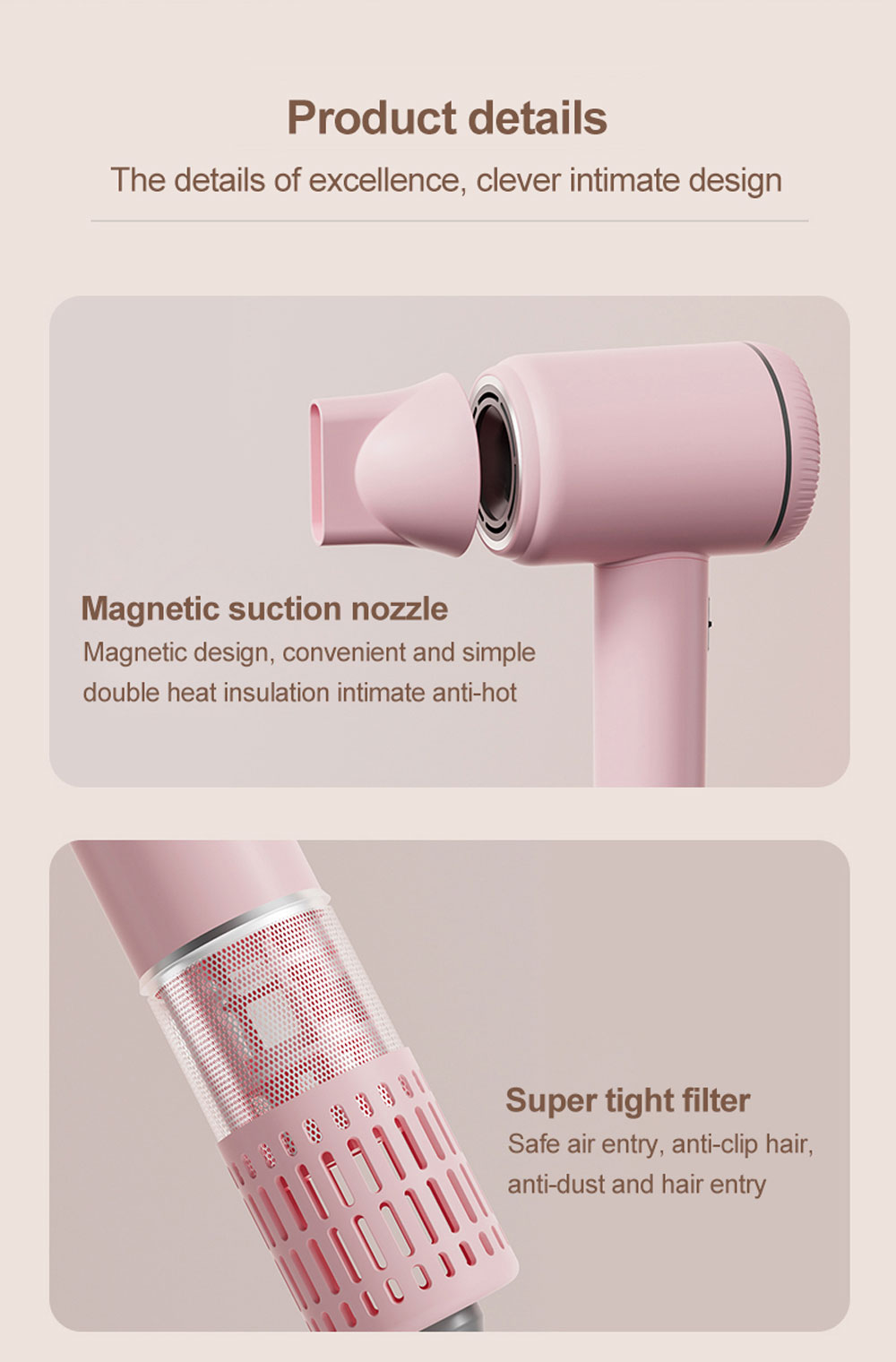
1. Housing. It protects the internal parts and also serves as an external decoration.
2. motor and fan blade. The motor is mounted inside the housing and the fan blade is mounted on the shaft end of the motor.
When the motor rotates, air is drawn in through the air inlet and wind is blown out through the air outlet.
3. electric heating element. The electric heating element of the hairdryer is made of electric heating wire, installed in the air outlet
of the hairdryer, and the air discharged by the motor is heated by the electric heating wire at the air outlet and then becomes hot
air to be sent out.
Recommended Styling Tools
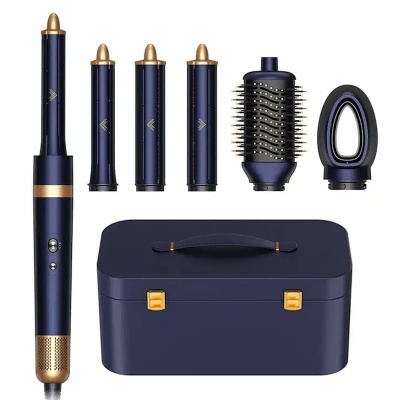
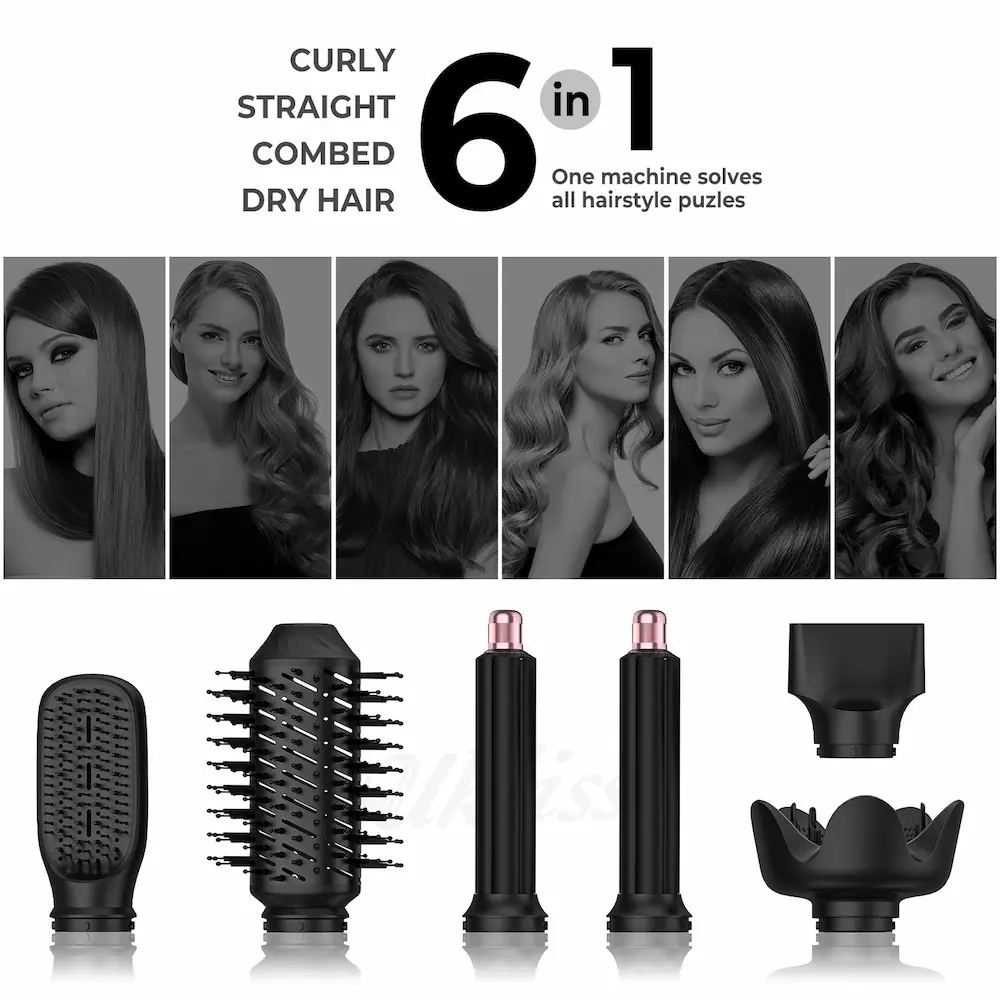
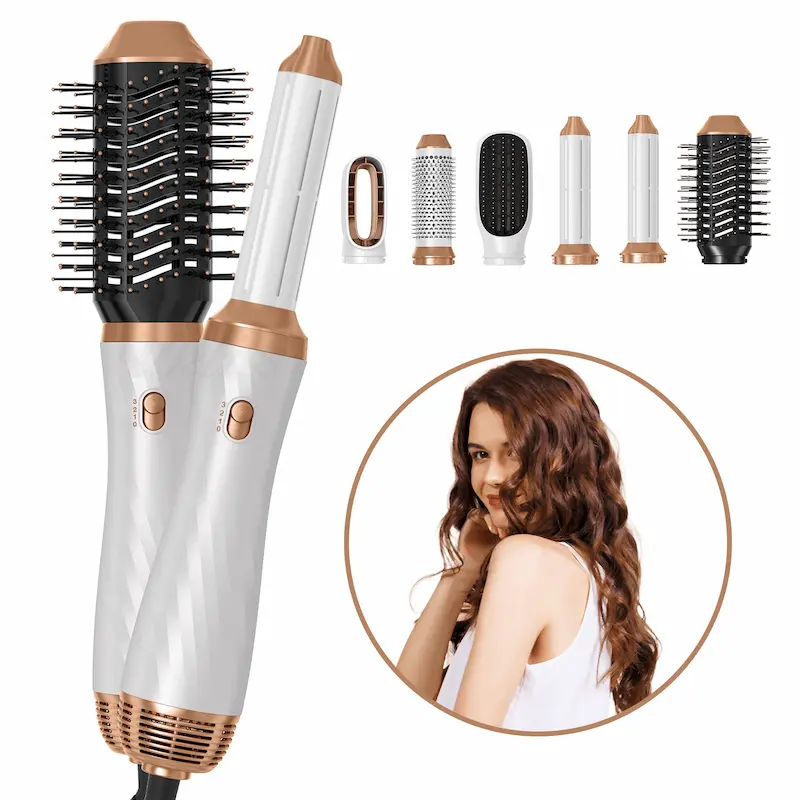
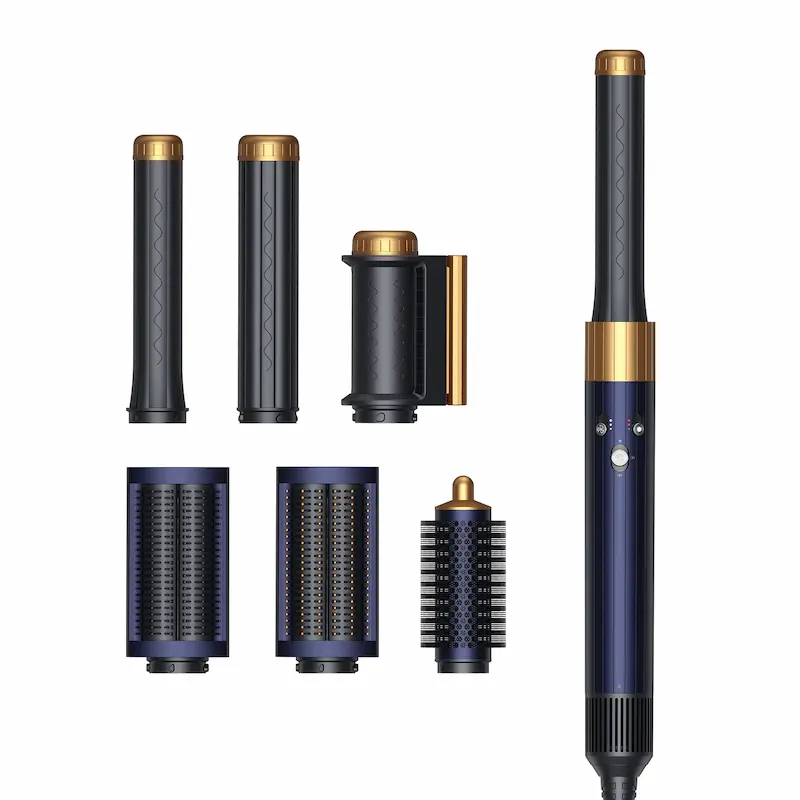
Learn More TEEJOIN's Hair Styling Styler Please Follow us!