


How Temperature Sensors Protect Hair: The Science Behind Modern Hair Dryers
Introduction
Hair dryers have evolved far beyond simple heating devices. Today, consumers and professional stylists are increasingly looking for tools that deliver faster drying while protecting hair from excessive heat exposure.
One of the most important innovations driving this change is the hair dryer temperature sensor.
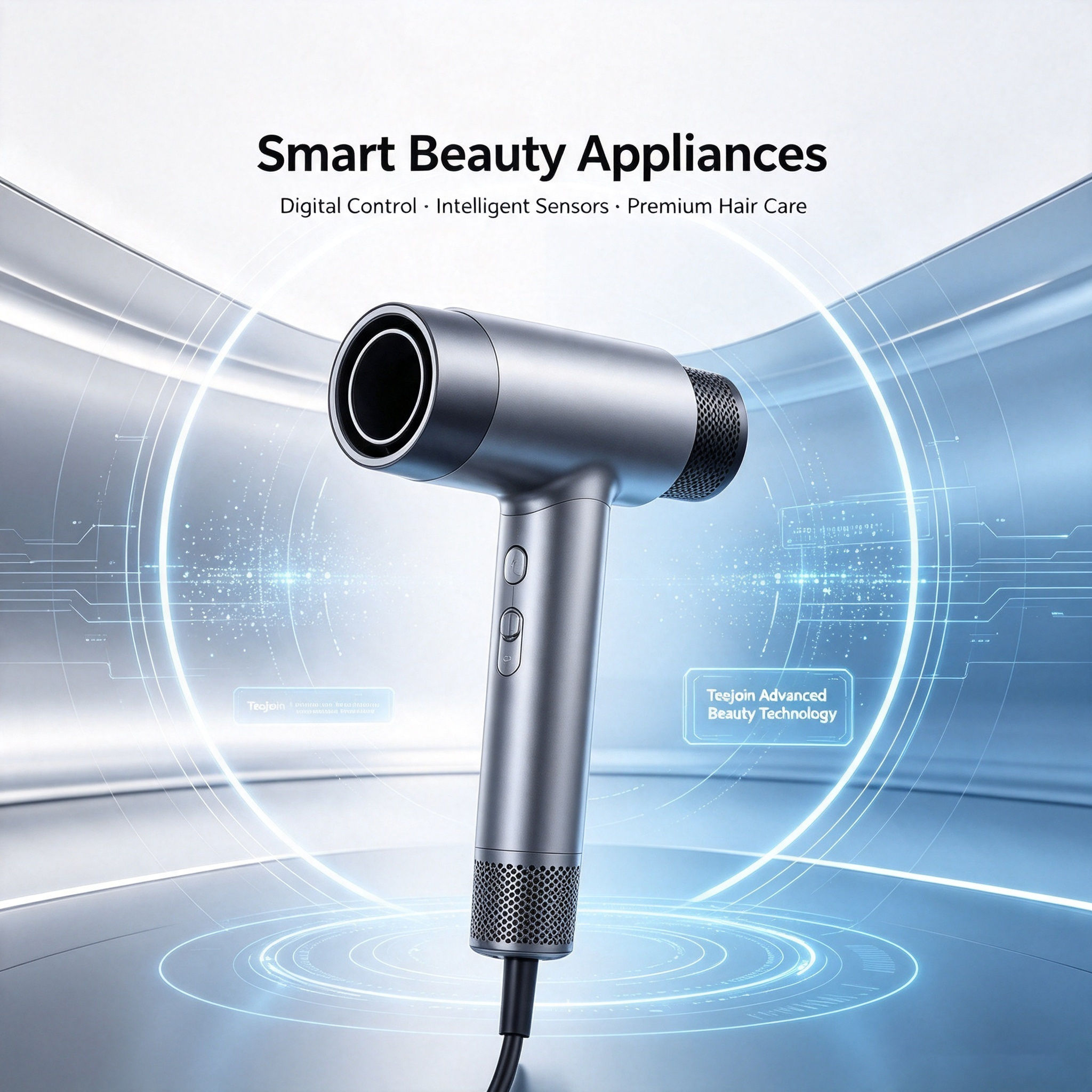
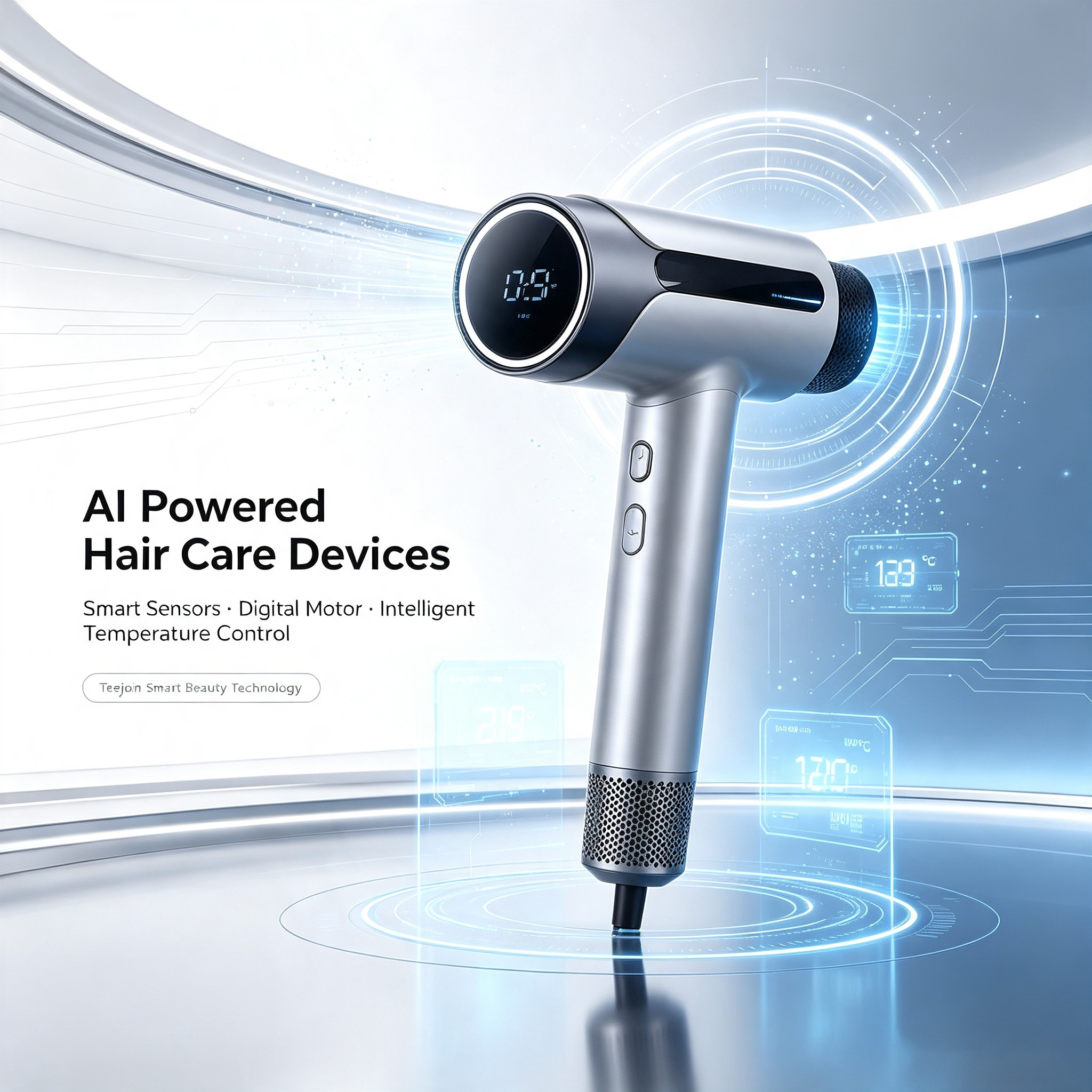
Modern temperature sensors help intelligent beauty devices monitor heat levels in real time, ensuring consistent performance while reducing the risk of overheating. Whether used in a professional salon or at home, this technology plays a critical role in maintaining healthier, shinier hair.
In this article, we explore how temperature sensors work, why they matter, and how they are shaping the future of smart hair care appliances.
What Is a Hair Dryer Temperature Sensor?
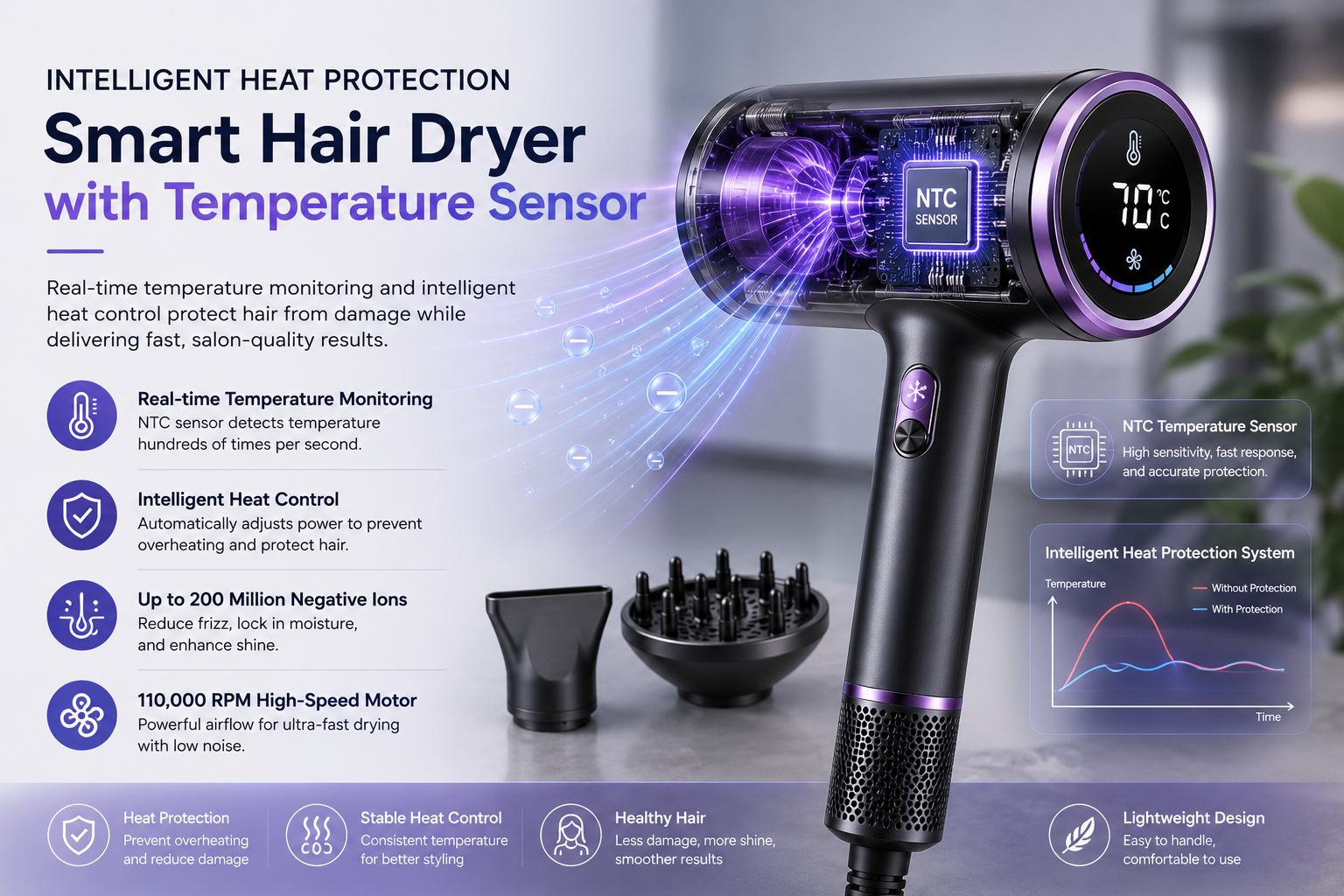
A hair dryer temperature sensor is an electronic component that continuously monitors airflow and heating element temperatures during operation.
Unlike traditional hair dryers that simply generate heat, modern intelligent beauty devices use sensors to:
Measure temperature hundreds of times per second
Prevent overheating
Maintain stable heat output
Protect hair from excessive thermal damage
Improve user safety
Many premium high-speed hair dryers now include NTC temperature sensors, microprocessors, and intelligent heat control systems to optimize styling performance.
Why Excessive Heat Damages Hair
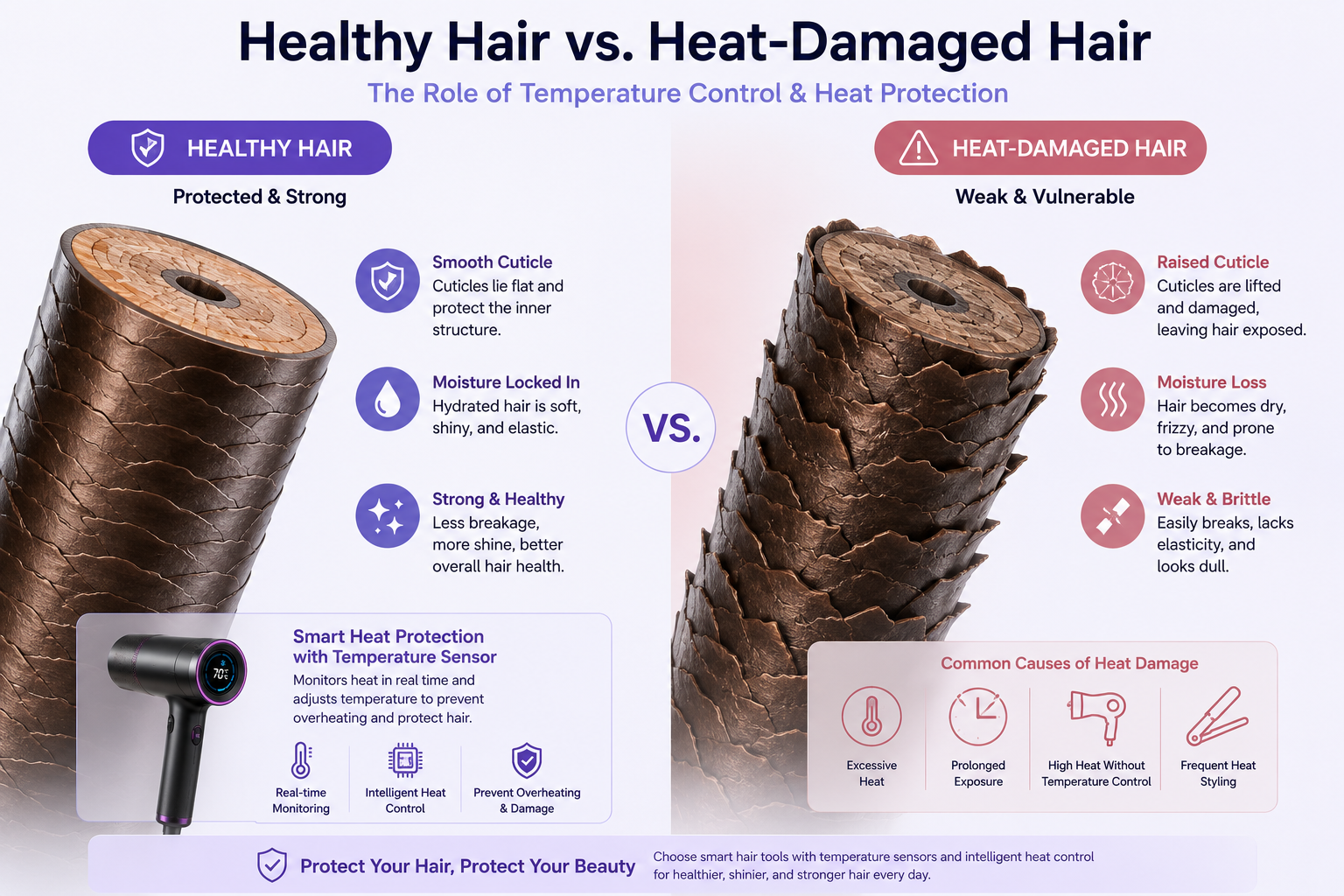
Hair consists primarily of keratin proteins and natural moisture.
When exposed to excessive heat, hair may experience:
Moisture loss
Cuticle damage
Increased frizz
Split ends
Reduced shine
Color fading
Repeated exposure to uncontrolled temperatures can weaken the hair structure over time.
This is why heat protection has become a major focus in modern hair care technology.
How Temperature Sensors Protect Hair
Modern smart hair appliances use intelligent temperature management systems to maintain optimal drying conditions.
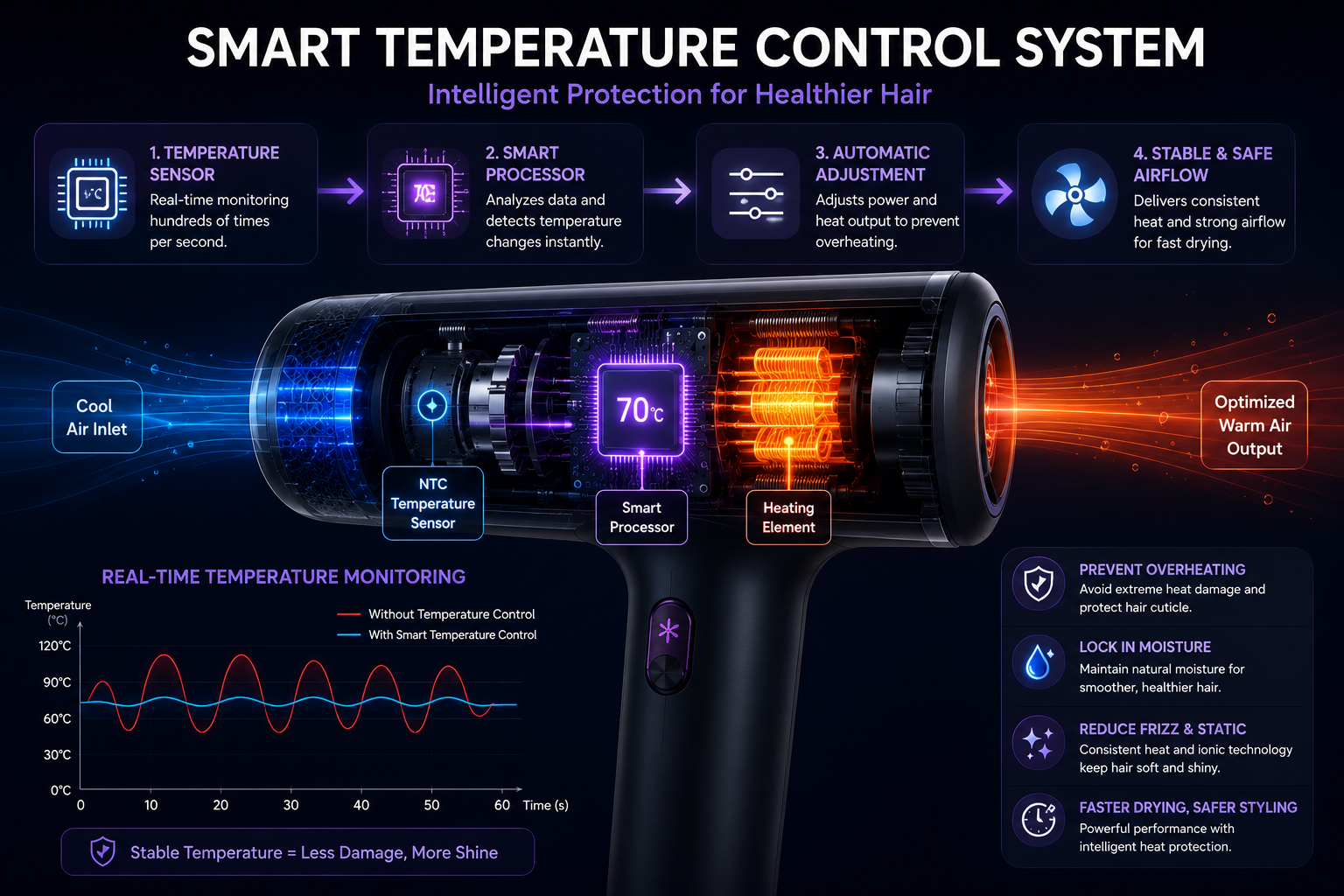
The process typically works as follows:
Step 1: Continuous Monitoring
The sensor measures air temperature in real time.
Step 2: Data Processing
An onboard microcontroller analyzes temperature data.
Step 3: Automatic Adjustment
The system automatically adjusts power output to prevent overheating.
Step 4: Stable Airflow
Hair receives consistent airflow and controlled heat instead of damaging temperature spikes.
This intelligent process helps reduce unnecessary heat exposure while maintaining fast drying performance.
NTC Temperature Sensors: The Industry Standard
Most premium hair dryers use NTC (Negative Temperature Coefficient) sensors.
Advantages include:
High sensitivity
Fast response speed
Accurate temperature detection
Long service life
Compact size
Because of their reliability, NTC sensors are widely used in:
High-speed hair dryers
Hair straighteners
Multi-stylers
Hot air brushes
Professional salon equipment
High-Speed Hair Dryers Need Smarter Heat Control
As motor technology advances, airflow speeds continue increasing.
Many modern professional hair dryers now feature:
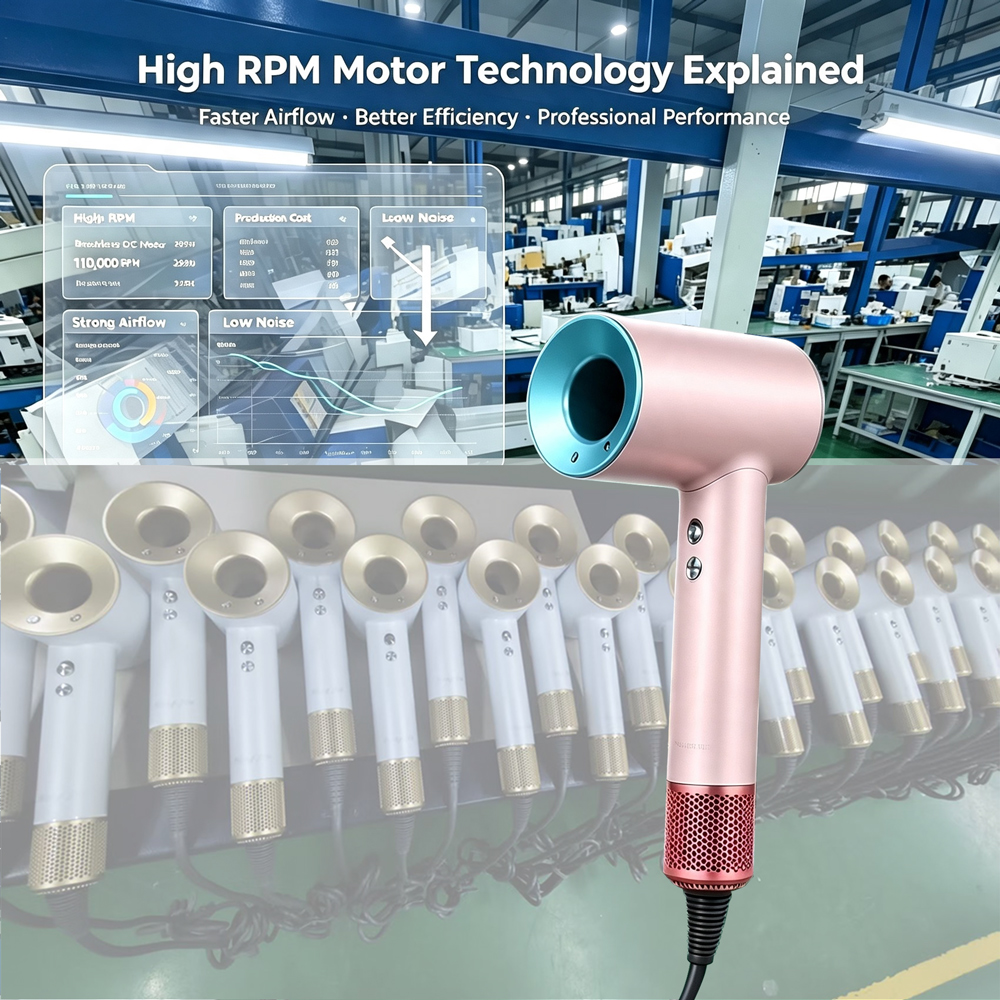
110,000 RPM brushless motors
High-speed airflow systems
Lightweight ergonomic designs
Advanced ionic technology
Without intelligent heat management, these powerful systems could expose hair to excessive temperatures.
Temperature sensors help ensure that faster drying does not come at the expense of hair health.
Temperature Sensor vs Traditional Hair Dryer
| Feature | Traditional Hair Dryer | Sensor-Controlled Hair Dryer |
|---|---|---|
| Heat Stability | Moderate | Excellent |
| Hair Protection | Basic | Advanced |
| Temperature Monitoring | None | Real-Time |
| Drying Efficiency | Standard | Optimized |
| User Safety | Standard | Enhanced |
| Hair Moisture Retention | Lower | Higher |
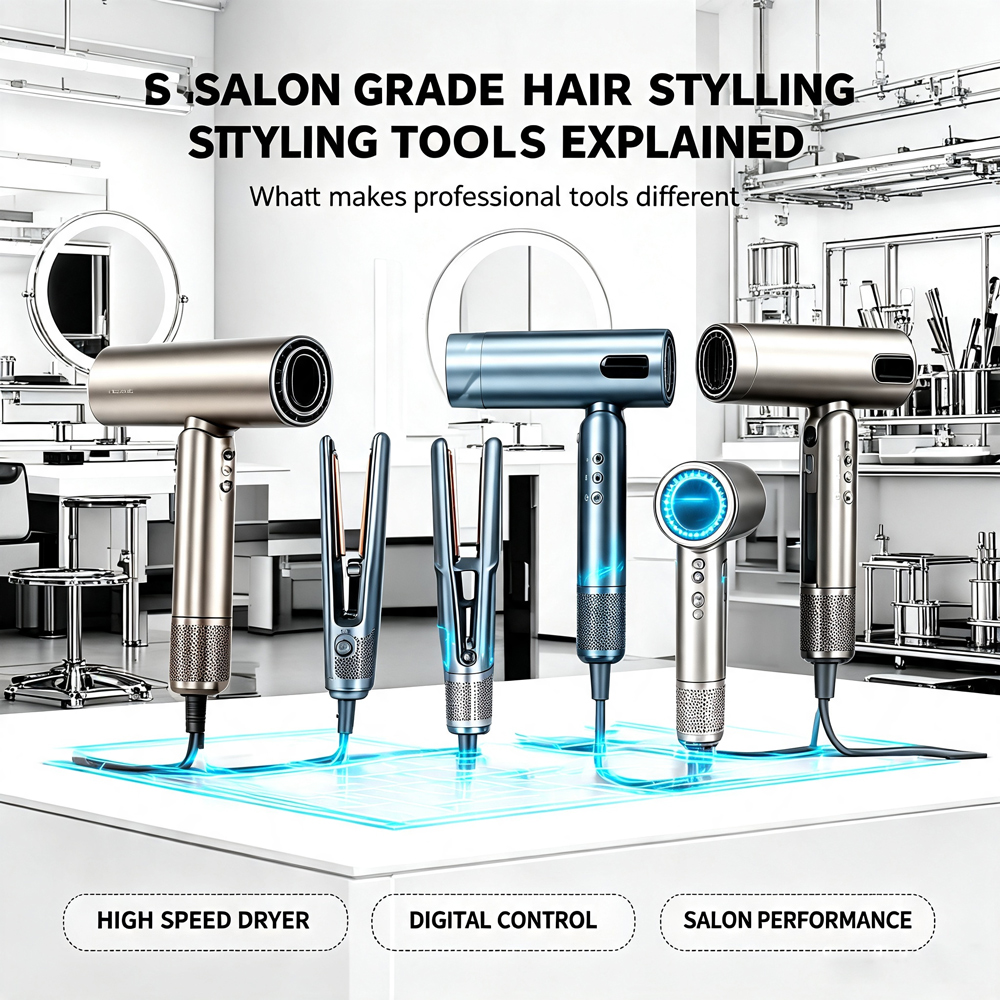
This is one reason why professional salons increasingly prefer sensor-equipped beauty appliances.
The Role of Ionic Technology and Temperature Sensors
Temperature control becomes even more effective when combined with ionic technology.
Many advanced hair dryers now feature:
Up to 200 million negative ions
Intelligent heat control
High-speed airflow
Multiple styling modes
This combination helps:
Reduce frizz
Improve shine
Lock in moisture
Enhance smoothness
Protect color-treated hair
Together, these technologies deliver salon-quality results while supporting long-term hair health.
Future Trends in Smart Hair Care Technology
The next generation of AI powered hair tools is expected to include:
Personalized Heat Profiles
Devices that automatically adjust settings based on hair type.
AI-Assisted Styling
Systems that learn user preferences over time.
Smart Sensors and Connectivity
Connected beauty devices capable of providing styling recommendations through mobile applications.
Predictive Hair Care
Future smart grooming devices may analyze hair condition and optimize drying parameters automatically.
These innovations will make beauty appliances smarter, safer, and more personalized than ever before.
Why Manufacturers Are Investing in Temperature Sensor Technology
Consumer expectations continue rising.
Today's buyers increasingly demand:
Faster drying
Lower noise
Hair protection
Lightweight design
Intelligent functionality
As a result, temperature sensor technology is becoming a standard feature in premium beauty appliances.
Manufacturers that invest in smart heat management systems are better positioned to meet future market demands.
Teejoin's Approach to Intelligent Hair Protection
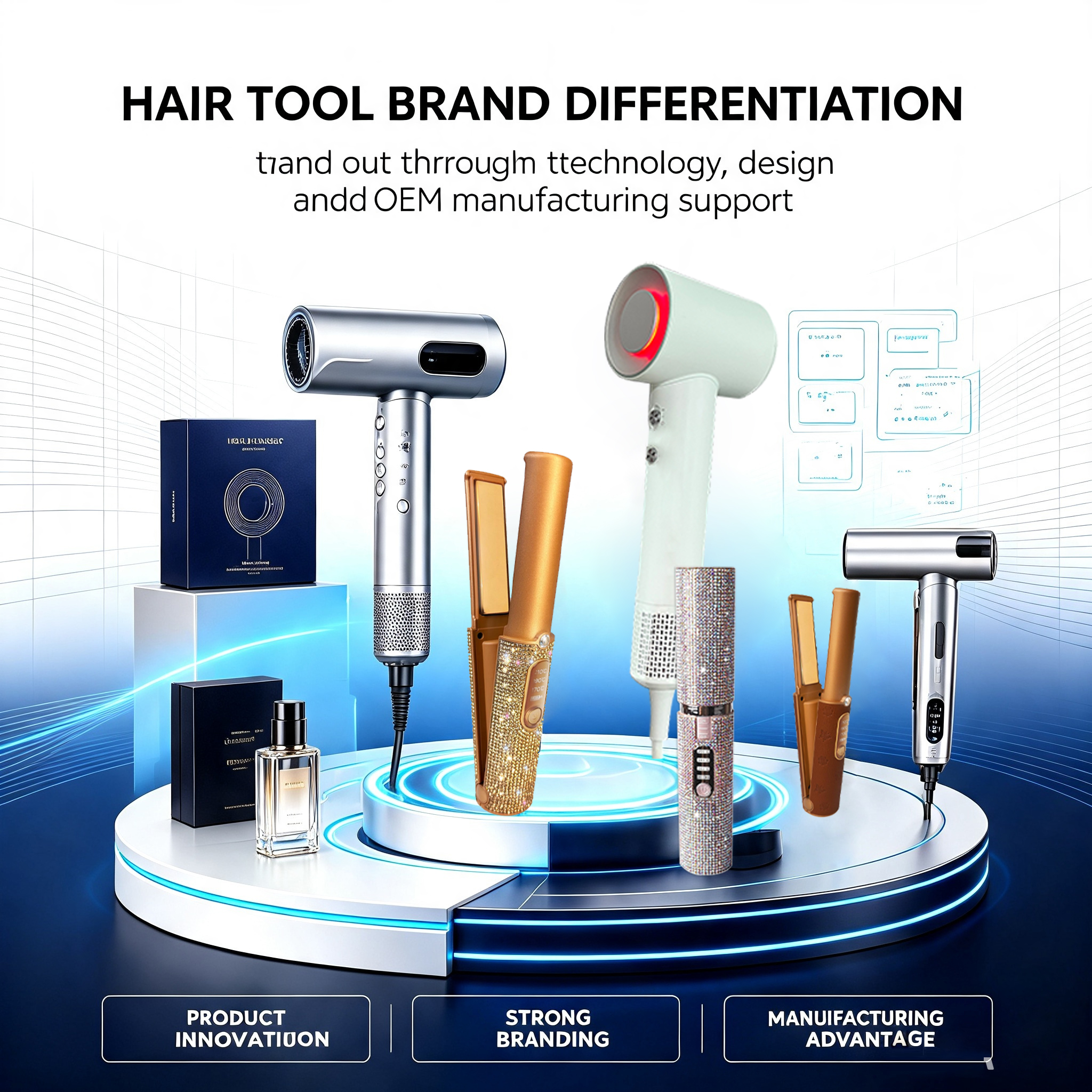
At Teejoin Smart Small Appliances / Shenzhen Huayi Technology Co., Ltd., intelligent hair care technology is integrated into product development.
Our focus includes:
110,000 RPM high-speed brushless motors
Intelligent temperature control systems
Advanced NTC sensor technology
Up to 200 million negative ions
Foldable high-speed hair dryers
Portable Bling hair straighteners
Multifunction hair styling tools
By combining powerful airflow with intelligent heat management, our products help users achieve faster drying while maintaining healthier hair.
Frequently Asked Questions
What does a hair dryer temperature sensor do?
A temperature sensor continuously monitors heat levels and automatically adjusts power output to prevent overheating and protect hair.
Are temperature sensors important in high-speed hair dryers?
Yes. High-speed dryers generate powerful airflow, making intelligent temperature control essential for balancing performance and hair protection.
What type of sensor is commonly used in hair dryers?
NTC temperature sensors are widely used because of their accuracy, fast response time, and reliability.
Do temperature sensors reduce hair damage?
Yes. By maintaining stable temperatures and preventing heat spikes, sensors help reduce moisture loss and cuticle damage.
Are temperature sensors used in other beauty devices?
Yes. Hair straighteners, multi-stylers, hot air brushes, and other intelligent beauty devices frequently use temperature sensors.
Conclusion
Temperature sensors have become one of the most important technologies in modern hair dryers and beauty devices.
By continuously monitoring heat levels and making real-time adjustments, these intelligent systems help deliver faster drying, better styling performance, and enhanced hair protection.
As smart hair appliances continue evolving, temperature sensor technology will remain at the heart of healthier, safer, and more personalized hair care experiences.